
 Photoshop
 Maya
Maya ZBrush
 Houdini
 Substance Painter
 Blender
 Unreal Engine
 Arnold
 Nuke
Nuke KeyShot
 V-Ray
V-Ray Mari
Mari Marvelous Designer
 Marmoset Toolbag
 Substance Designer
 3ds Max
 3DCoat
 Redshift
 Faceform Wrap
 Lightroom
 After Effects
 OctaneRender
 SpeedTree
 Daz 3D
 Agisoft Metashape
 Fusion
 Modo
Modo RealityCapture
 Gaea
Gaea Cinema 4D
 Gravity Sketch
 Premiere
 Procreate
 Clip Studio Paint
 SketchUp
 SketchBook
 Katana
 Natron
 Mudbox
 Quixel Bridge
 Quixel Megascans
 Quixel Mixer
 Substance 3D Modeler
 World Creator
 Yeti
Yeti Ziva VFX
 Mixamo
 Adobe Medium
 Quixel DDO
 xNormal
 Meshmixer
 Storyboard Pro
 DaVinci Resolve
 TreeIt
 World Machine
 Gaffer
 Corel Painter
 SynthEyes
 Krita
Krita Massive
 Materialize
 Unity
Unity Ornatrix
 PreForm
 Moi 3D
 animBot
 QuickTime
 ReCap
ReCap
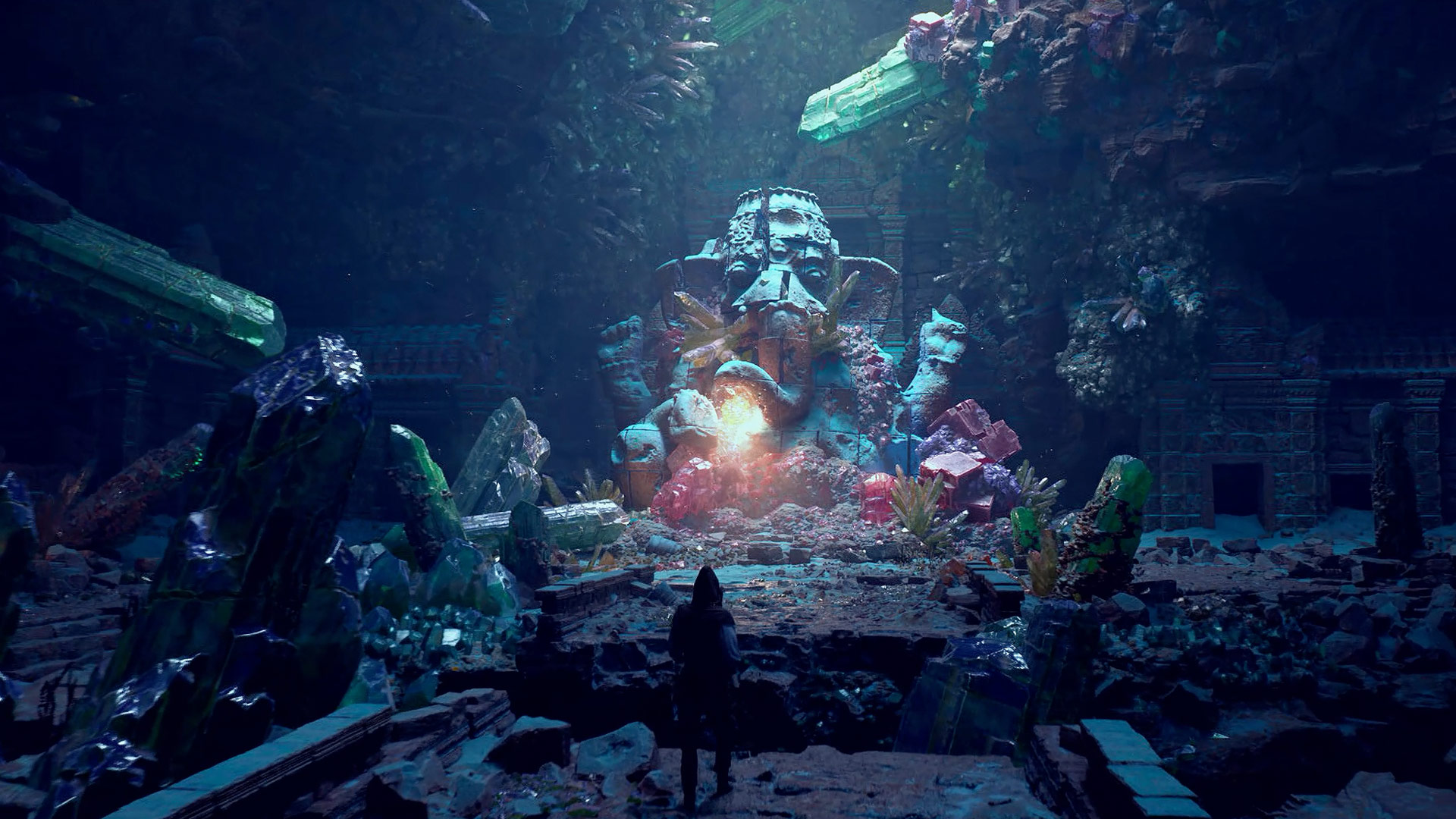









Learn how to create various materials for games using Substance Designer in this 3.5-hour workshop by Kat Tamburello, Senior Texture Artist at id Software. This beginner to intermediate level tutorial walks through the process for creating a complex material in Substance Designer that can be used to create multiple material variations.
This tutorial will provide the building blocks needed to effectively create any style of material in Substance Designer that upholds the technical standards required for games. Initially, Kat will begin by discussing how to gather proper references and preplan a material graph. She will then cover how to create the dirt and cobblestones that are the base of the material. Once the initial block-in has been completed, you'll learn about the importance of consistent metrics like establishing height scale, texel density, and consistent scale across a project.
After covering the foundation of material creation, you'll learn about creating individual assets, such as flowers, rocks, and sticks. With these assets created, you'll learn how to use the Shape Splatter node to scatter these assets across the ground.
To conclude the workshop, Kat will discuss parameters so that you can create many variations of materials with just this one project.
10 Lessons
In this lesson, Kat introduces herself and talks about her background working at major AAA game studios. She explains her specialty in materials and how the professional workflows she uses are the same ones she’ll teach in this workshop. These skills help her create a wide range of materials efficiently and are a big part of what’s made her a successful environment artist in the games industry.
Duration: 45s

In this lesson, Kat gives us an overview of the workshop ahead, outlining the materials she plans to make, and the research and reference gathering that's required. By combining technical planning and online research with personal photography and physical exploration, she explains how to make work more authentic and distinctive.
Duration: 11m 43s

In this lesson, Kat breaks down complex materials into simple layers and target elements in order to make the creation process more approachable. By thinking through layer order, component hierarchy, potential variations, and exposable parameters before starting, she shows how artists can create flexible, reusable materials that save time.
Duration: 10m 19s

In this lesson, Kat runs through her process for making a base cobble stone material for the overall set of materials in this project. Beginning in Substance Designer, she demonstrates how thinking procedurally and staying relatively organized on your Substance Designer graph allows for easier adjustments and collaboration with development teams. By combining multiple techniques, the resulting cobblestone material achieves a realistic and hand-crafted appearance.
Duration: 17m 57s

In this lesson, Kat talks about metrics and scale within Substance Designer; a concept that will ultimately make sure all the tiling materials work properly together. While it may not be the most exciting aspect of material creation, metrics prevent common issues like mismatched resolutions, improper height blending, and unrealistic scale differences between assets. By adhering to a standardized height scale and texel density, artists can ensure that all materials can live together in a scene.
Duration: 25m 10s

In this lesson, Kat walks through the meticulous creation process for each different shape element of the path material, consisting of different plant, rock and debris features. In order to maintain organization and efficiency when making all of these features, Kat breaks each out into separate subgraphs before re-integrating them into the main material.
Duration: 56m 40s

In this lesson, Kat looks at the Shape Splatter node in Substance Designer, which is used throughout the rest of the material graph, and a powerful tool for creating complex materials by providing granular control over how elements interact with underlying surfaces. Acting very much like a multi-tool for placement, the parameters within this node allow Kat to achieve natural-looking results for different material types, from organically growing moss that hugs surfaces to rigid stones that rest on terrain.
Duration: 28m 57s

In this lesson, Kat shows how she controls color and gloss in her material by breaking them down into separate parts. She explains why it’s important to keep surface types and their physical properties consistent, so everything looks like it belongs in the same environment. To do this, she pulls information from different parts of her graph, and uses Shape Splatter nodes and their outputs to make the process much simpler and more efficient.
Duration: 38m 14s

In this lesson, Kat explains the basics of parameters in Substance Designer, their uses and what it means to expose them. Creating these controls enbles artists to transform static node graphs into dynamic systems that can generate numerous variations of a material efficiently. In this system, the balance between functionality and simplicity is essential; expose enough parameters to enable meaningful customization.
Duration: 25m 43s

In this final lesson, Kat reviews the key takeaways from the workshop, walking through each stage of the process from start to finish to show how a professional, game-ready material comes together. She also wraps up by demonstrating a few quick ways to present your finished material directly in Substance Designer using the built-in IRay renderer.
Duration: 9m 16s

Primary tools
For this workshop you’ll need:

* Note that these programs and materials will not be supplied with the course.
Skills Covered
Who’s this Workshop for?
This workshop is aimed at beginner-to-junior texture artists, environment artists, and technical artists working in game development who want to master Substance Designer. Artists with basic software knowledge looking to create production-ready materials will find this training very useful, as Kat Tamburello goes over everything you need to make unique textures.
These lessons will provide industry-standard techniques and workflows that’ll translate directly to professional game development and environment applications. This fact makes the information here valuable to 3D generalists, indie developers, and even students pursuing game art careers looking for comprehensive texture development training.
Learning Outcomes
By completing this workshop, artists will have gained the foundational skills and advanced techniques needed to create complex, unique, and game-ready materials in Substance Designer.
Key skills include:
- How to gather proper references and effectively plan material graphs in advance.
- How to create realistic dirt and cobblestone base materials using procedural workflows.
- How to establish consistent metrics including height scale, texel density, and project-wide scaling.
- How to model and integrate individual assets like flowers, rocks, and sticks within materials.
- How to use Shape Splatter nodes to naturally scatter assets across ground surfaces.
- How to implement parameters for creating multiple material variations from a single project.


